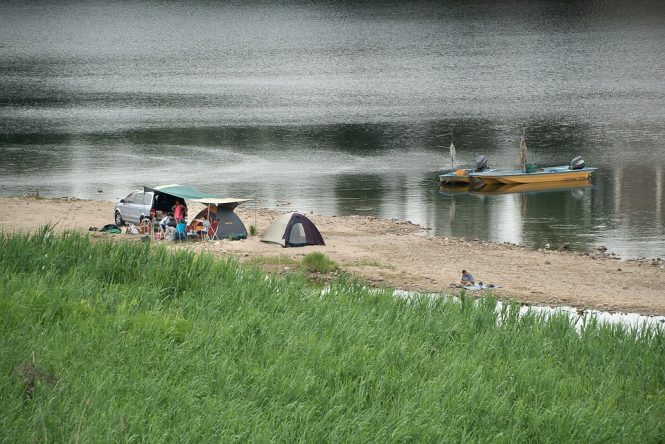
Wild and Free: Exploring the Best National Parks and Wildlife Refuges for Camping
The great outdoors has a way of calling to us, beckoning us to leave behind the hustle and bustle of daily life and connect with nature. For many, camping is the perfect way to do just that – to escape the confines of urban living and immerse ourselves in the beauty and wonder of the natural world. And what better way to experience the great outdoors than by camping in some of the most incredible national parks and wildlife refuges the country has to offer?
From the majestic mountains of the west to the lush forests of the east, the United States is home to a diverse array of national parks and wildlife refuges, each offering a unique and unforgettable camping experience. In this article, we’ll explore some of the best national parks and wildlife refuges for camping, highlighting their stunning landscapes, diverse wildlife, and range of outdoor activities.
National Parks
- Yellowstone National Park, Wyoming: America’s first national park is a must-visit for any camping enthusiast. With its geysers, hot springs, and diverse wildlife, including grizzly bears, wolves, and bison, Yellowstone offers a truly immersive experience. Camp at Grant Village or Canyon Campground and explore the park’s many trails, including the popular Old Faithful area.
- Yosemite National Park, California: Known for its granite cliffs, waterfalls, and giant sequoia groves, Yosemite is a hiker’s paradise. Camp at Upper Pines Campground or Tuolumne Meadows and explore the park’s many trails, including the iconic Half Dome and El Capitan.
- Great Smoky Mountains National Park, North Carolina and Tennessee: With its lush forests, rolling hills, and diverse wildlife, the Smoky Mountains offer a unique and unforgettable camping experience. Camp at Cades Cove Campground or Deep Creek Campground and explore the park’s many trails, including the Appalachian Trail.
- Grand Canyon National Park, Arizona: One of the most iconic natural wonders in the United States, the Grand Canyon is a must-visit for any camping enthusiast. Camp at Mather Campground or Desert View Campground and hike along the rim or down into the canyon itself.
- Zion National Park, Utah: With its red rock canyons and unique rock formations, Zion is a hiker’s and rock climber’s paradise. Camp at Watchman Campground or South Campground and explore the park’s many trails, including the famous Angel’s Landing hike.
Wildlife Refuges
- Assateague Island National Wildlife Refuge, Maryland: Known for its wild horses and diverse birdlife, Assateague Island is a unique and unforgettable camping experience. Camp at Oceanside Campground or Bayside Campground and explore the refuge’s many trails and beaches.
- Pelican Island National Wildlife Refuge, Florida: With its mangrove forests and diverse marine life, Pelican Island is a birdwatcher’s paradise. Camp at Sebastian Inlet Campground or Vero Beach Campground and explore the refuge’s many trails and waterways.
- Cape May National Wildlife Refuge, New Jersey: Located at the southern tip of New Jersey, Cape May is a key stopover for migratory birds and a haven for outdoor enthusiasts. Camp at Cape May Campground or Wildwood Campground and explore the refuge’s many trails and beaches.
- Malheur National Wildlife Refuge, Oregon: With its high desert landscapes and diverse wildlife, including migratory birds and pronghorn antelope, Malheur is a unique and unforgettable camping experience. Camp at Page Springs Campground or Malheur Campground and explore the refuge’s many trails and waterways.
- Aransas National Wildlife Refuge, Texas: Known for its whooping cranes and diverse marine life, Aransas is a birdwatcher’s paradise. Camp at Matagorda Bay Campground or Rockport Campground and explore the refuge’s many trails and waterways.
Tips and Essentials
Before heading out on your camping adventure, be sure to:
- Check the weather forecast and plan accordingly
- Bring necessary gear, including tents, sleeping bags, and cooking equipment
- Familiarize yourself with park rules and regulations
- Respect wildlife and their habitats
- Bring a map and compass or GPS device
- Pack plenty of water and snacks
- Be prepared for emergencies, including first aid kits and emergency contact information
Conclusion
Camping in national parks and wildlife refuges is a unique and unforgettable experience, offering a chance to connect with nature and explore some of the most incredible landscapes and ecosystems in the country. Whether you’re a seasoned camper or just starting out, there’s a national park or wildlife refuge out there waiting for you. So pack up your gear, grab your sense of adventure, and get ready to experience the wild and free beauty of America’s great outdoors.