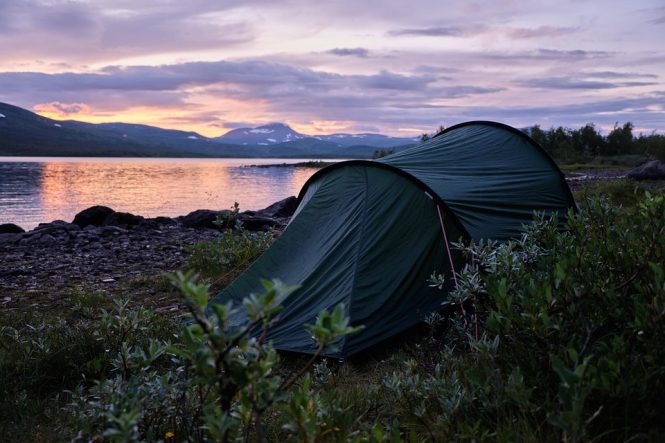
Camping 101: A Beginner’s Guide to Setting Up the Perfect Campsite
Camping is a great way to connect with nature, relax, and spend quality time with family and friends. However, for beginners, setting up a campsite can be a daunting task. In this article, we will provide a comprehensive guide on how to set up the perfect campsite, covering everything from choosing the right location to pitching your tent and building a campfire.
Choosing the Right Location
The first step in setting up a campsite is to choose the right location. Look for a spot that is flat, dry, and relatively free of rocks and twigs. It’s also important to consider the proximity to water sources, restrooms, and other amenities. Make sure to check the campsite rules and regulations before setting up your camp.
Some things to consider when choosing a location include:
- Accessibility: Is the location easily accessible by car or on foot?
- Safety: Is the location safe from potential hazards such as flooding, wildlife, or steep drop-offs?
- Comfort: Is the location comfortable and relatively free of noise and distractions?
Pitching Your Tent
Once you have chosen the perfect location, it’s time to pitch your tent. Here are some tips to keep in mind:
- Choose a spot with good drainage: You don’t want to set up your tent in a low-lying area that may collect water in case of rain.
- Clear the area: Remove any rocks, twigs, or other debris that may interfere with your tent or make it uncomfortable to sleep.
- Use a tarp: A tarp can provide extra protection from the elements and help keep your tent dry.
- Stake it down: Make sure to stake your tent down securely to prevent it from blowing away in the wind.
Building a Campfire
A campfire is a essential part of the camping experience. Here are some tips for building a safe and enjoyable campfire:
- Choose a safe location: Look for a spot that is away from flammable materials and overhanging branches.
- Use firewood: Make sure to use dry, seasoned firewood that will burn easily and efficiently.
- Build a fire pit: If you are in a designated campsite, you may be able to use a pre-built fire pit. Otherwise, you can create your own using rocks or by digging a shallow pit.
- Keep it contained: Make sure to keep your campfire contained using a fire ring or pit, and never leave it unattended.
Other Essentials
In addition to pitching your tent and building a campfire, there are several other essentials to consider when setting up a campsite. These include:
- Water: Make sure to have a reliable source of water for drinking, cooking, and washing.
- Food: Bring enough non-perishable food to last for the duration of your trip, and consider bringing a cooler for perishable items.
- Lighting: Bring flashlights, lanterns, or other lighting sources to provide light after dark.
- First aid kit: A first aid kit is essential in case of emergencies, and should include items such as bandages, antiseptic wipes, and pain relievers.
- Toiletries: Bring toiletries such as toothbrushes, toothpaste, and biodegradable soap to maintain personal hygiene.
Tips and Tricks
Here are some additional tips and tricks to keep in mind when setting up a campsite:
- Arrive early: Get to the campsite early to secure a good spot and set up before it gets dark.
- Bring a map: A map can help you navigate the campsite and surrounding area.
- Be respectful: Be respectful of other campers and the environment, and follow all campsite rules and regulations.
- Have fun: Camping is all about having fun and enjoying the great outdoors, so be sure to take time to relax and enjoy the experience.
Conclusion
Setting up a campsite can seem daunting, but with the right knowledge and preparation, it can be a fun and enjoyable experience. By following the tips and guidelines outlined in this article, you can create the perfect campsite and make the most of your camping trip. Remember to choose the right location, pitch your tent carefully, build a safe and enjoyable campfire, and bring all the essentials to ensure a comfortable and enjoyable stay. Happy camping!