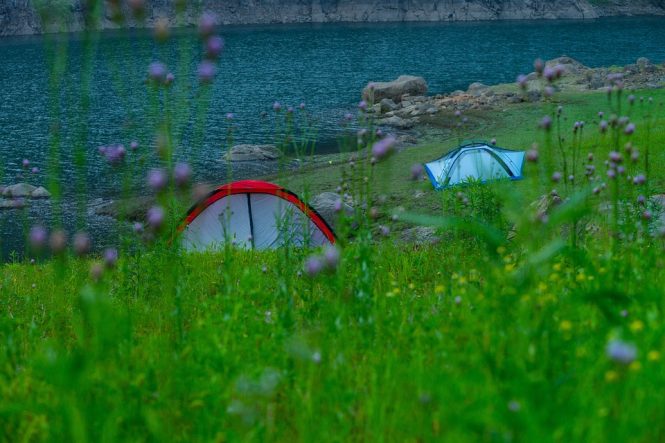
Camping with a Conscience: How to Minimize Your Impact on the Environment
As outdoor enthusiasts, we have a deep appreciation for the natural world and a responsibility to protect it. Camping is a great way to connect with nature, but it can also have a significant impact on the environment if not done sustainably. In this article, we’ll explore the ways in which camping can harm the environment and provide practical tips on how to minimize your impact and camp with a conscience.
The Impact of Camping on the Environment
Camping can have a range of negative effects on the environment, including:
- Soil Erosion: Camping can lead to soil erosion, particularly in areas with fragile or sensitive ecosystems. When camping, we often create pathways and campsites that can disrupt natural habitats and cause soil to be washed away.
- Water Pollution: Campfires, human waste, and trash can all contaminate nearby water sources, harming aquatic life and affecting the water quality.
- Habitat Disruption: Camping can disrupt the natural habitats of animals, particularly endangered species. For example, setting up camp near a nesting site can scare away birds and other wildlife.
- Litter and Waste: Camping often generates a significant amount of waste, including food packaging, disposable utensils, and other single-use items.
Tips for Camping with a Conscience
Fortunately, there are many ways to minimize your impact on the environment when camping. Here are some practical tips to help you camp with a conscience:
- Choose Your Campsite Wisely: When selecting a campsite, opt for established campsites with designated areas for camping, rather than creating a new site that could harm sensitive ecosystems.
- Pack Lightly: Bring only what you need, and avoid single-use items like disposable utensils, plates, and cups. Instead, opt for reusable alternatives.
- Use Eco-Friendly Gear: Invest in eco-friendly camping gear, such as solar-powered lights and biodegradable soap.
- Dispose of Waste Properly: Pack out all trash and recyclables, and dispose of human waste in designated areas or using a portable toilet.
- Respect Wildlife: Keep a safe distance from wildlife, and avoid feeding or enticing animals to come near your campsite.
- Conserve Water: Use water-efficient practices, such as washing dishes and brushing teeth with minimal water, and avoid washing clothes or bathing in natural water sources.
- Minimize Campfire Impact: Use fire rings or designated campfire areas, and fully extinguish fires before leaving them unattended.
- Follow Local Regulations: Familiarize yourself with local regulations and guidelines for camping, and respect any restrictions or closures.
Additional Tips for Sustainable Camping
In addition to these general tips, here are some additional strategies for sustainable camping:
- Use Public Transportation: Consider using public transportation or carpooling to get to your campsite, rather than driving a personal vehicle.
- Buy Local: Support local communities by buying food and supplies from nearby businesses.
- Reduce Food Waste: Plan your meals carefully to avoid food waste, and consider using a portable stove or camping grill to cook meals.
- Bring a Portable Toilet: If you’re camping in a remote area, consider bringing a portable toilet to minimize the impact of human waste.
- Join a Camping Organization: Consider joining a camping organization or conservation group to stay up-to-date on best practices and support environmental conservation efforts.
Conclusion
Camping can be a wonderful way to connect with nature, but it’s essential to do so with a conscience. By following these tips and strategies, you can minimize your impact on the environment and help preserve the natural beauty of our planet for future generations. Remember, every small action counts, and by working together, we can make a significant difference in protecting our environment. So next time you head out on a camping trip, be sure to pack your conscience along with your gear!