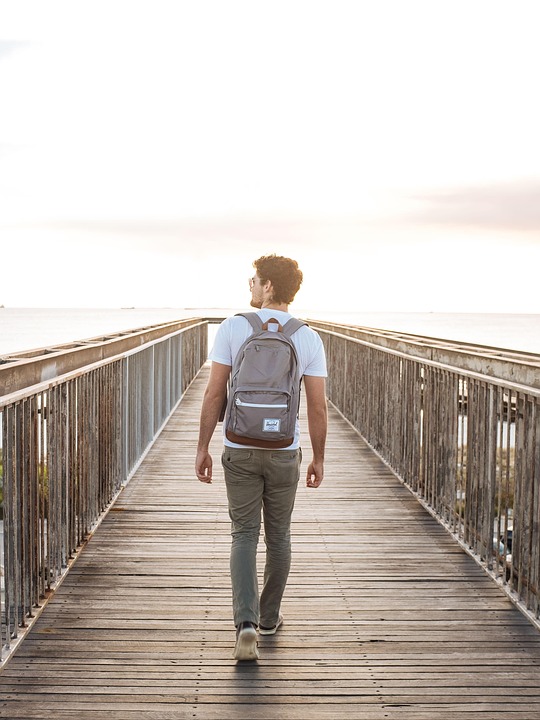
Safety First: Expert Advice for Solo Travelers on Staying Secure Abroad
As a solo traveler, exploring new destinations can be an exhilarating experience, but it’s essential to prioritize your safety above all else. Whether you’re a seasoned traveler or embarking on your first solo adventure, taking necessary precautions can make all the difference in ensuring a secure and enjoyable journey. In this article, we’ll share expert advice on how to stay safe while traveling alone abroad.
Research and Planning
Before departing, research your destination thoroughly. Look into the local culture, customs, and laws to avoid unintentionally offending locals or finding yourself in unfamiliar situations. Stay up-to-date with the latest travel advisories and warnings from your government’s official website. Consider registering with your government’s travel registration program, which can help them contact you in case of an emergency.
When planning your itinerary, choose reputable and licensed tour operators, and book accommodations in safe and well-lit areas. Be cautious of overly cheap or suspicious deals, as they may be scams. Make digital copies of your important documents, such as your passport, driver’s license, and travel insurance, and leave a copy with a trusted friend or family member back home.
Personal Safety
As a solo traveler, it’s crucial to be mindful of your personal safety at all times. Here are some expert tips to help you stay secure:
- Trust your instincts: If a situation or person makes you feel uncomfortable, trust your instincts and remove yourself from the situation.
- Stay aware of your surroundings: Keep an eye on your belongings, especially in crowded areas or tourist hotspots.
- Keep valuables secure: Use a money belt or a secure bag to carry your valuables, and consider using a hotel safe or a locking bag to store your belongings.
- Avoid walking alone at night: Try to avoid walking alone in dimly lit or unfamiliar areas, especially at night. Instead, opt for licensed taxis or ride-sharing services.
- Stay connected: Keep your phone charged and with you at all times, and consider purchasing a local SIM card or portable Wi-Fi hotspot to stay connected with family and friends back home.
Health and Wellbeing
Maintaining your physical and mental health is vital while traveling alone. Here are some expert tips to help you stay healthy and well:
- Stay hydrated: Drink plenty of water throughout the day, and avoid consuming tap water in areas where it’s not safe to do so.
- Eat safely: Choose restaurants and food stalls that are popular with locals, and avoid consuming undercooked or raw meat, seafood, or eggs.
- Get enough sleep: Aim for 7-8 hours of sleep per night, and consider packing a travel pillow or earplugs to help you sleep better.
- Stay active: Regular exercise can help reduce stress and anxiety, so try to incorporate physical activity into your daily routine, such as walking or yoga.
Staying Connected
Staying connected with family and friends back home can help you stay safe and provide an added layer of security. Here are some expert tips to help you stay connected:
- Regularly check in: Schedule regular check-ins with family and friends back home, and consider using a messaging app or social media to keep them updated on your whereabouts.
- Leave a copy of your itinerary: Leave a copy of your itinerary with a trusted friend or family member, including your flight details, accommodation, and contact information.
- Consider a personal locator beacon (PLB): A PLB can help emergency services locate you in case of an emergency, especially in remote areas with limited cell phone coverage.
Dealing with Emergencies
Despite taking necessary precautions, emergencies can still occur. Here are some expert tips to help you deal with emergencies while traveling alone:
- Stay calm: In the event of an emergency, stay calm and think clearly. Avoid panicking, as this can cloud your judgment and lead to poor decision-making.
- Contact local authorities: If you’re a victim of crime or require medical assistance, contact local authorities immediately. They can provide you with guidance and support to help you navigate the situation.
- Contact your embassy: If you’re in a life-threatening situation or require urgent assistance, contact your embassy or consulate for help. They can provide you with emergency assistance, such as replacing a stolen passport or helping you contact family and friends back home.
Conclusion
Solo travel can be a rewarding and life-changing experience, but it’s essential to prioritize your safety above all else. By researching your destination, being mindful of your personal safety, maintaining your health and wellbeing, staying connected with family and friends, and knowing how to deal with emergencies, you can minimize risks and ensure a secure and enjoyable journey. Remember to trust your instincts, stay aware of your surroundings, and take necessary precautions to stay safe while traveling alone abroad. Happy travels!