Backcountry Bliss: Exploring the Beauty of Remote Camping Areas
For those who crave adventure and a deeper connection with nature, remote camping areas offer an unparalleled experience. Leaving behind the hustle and bustle of city life, backcountry camping allows you to immerse yourself in the serene beauty of the wilderness. In this article, we’ll delve into the world of backcountry bliss, exploring the rewards of venturing into these untouched regions and providing tips for those eager to embark on their own remote camping journey.
The Allure of Remote Camping
Remote camping areas are often characterized by their inaccessibility, requiring hikers to trek for miles to reach the campsite. This seclusion is a major part of their appeal, as it allows campers to escape the crowds and noise of more popular camping spots. The peace and quiet of the backcountry are a balm to the soul, providing a chance to recharge and reconnect with the natural world.
Unparalleled Scenic Beauty
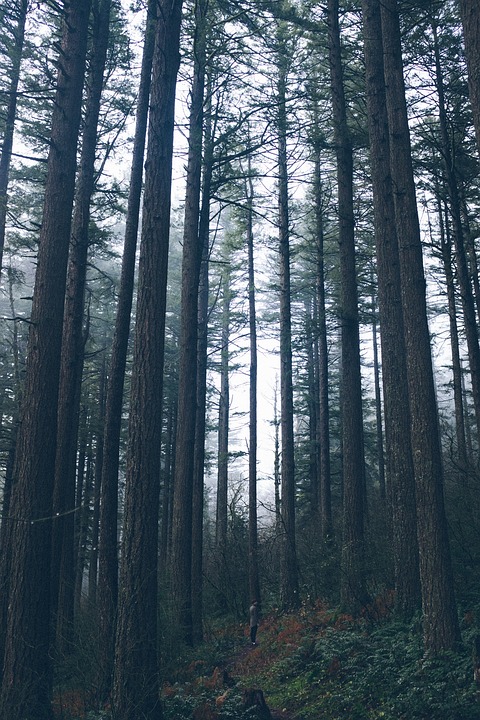
One of the most significant advantages of remote camping is the opportunity to experience breathtaking scenery that few others have witnessed. From towering mountain peaks to pristine alpine lakes, the backcountry is home to some of the most stunning landscapes on Earth. Imagine waking up to the sound of birdsong, surrounded by towering trees and with a vista of untouched wilderness stretching out before you.
Wildlife and Solitude
Remote camping areas are often teeming with wildlife, from deer and elk to birds and smaller creatures. The absence of human disturbance allows these animals to thrive, and campers may be treated to encounters with species they’ve never seen before. Additionally, the solitude of the backcountry provides a chance to reflect and introspect, free from the distractions of daily life.
Preparing for a Remote Camping Trip
While the rewards of backcountry camping are numerous, it’s essential to be adequately prepared for the challenges that come with venturing into remote areas. Here are a few tips to keep in mind:
- Research and planning: Carefully research the area you plan to visit, including weather conditions, terrain, and any necessary permits or regulations.
- Physical conditioning: Remote camping often requires hiking long distances with a heavy backpack, so it’s crucial to be in good physical shape.
- Gear and equipment: Invest in high-quality gear, including a sturdy tent, sleeping bag, and backpack, as well as a first aid kit and emergency shelter.
- Navigation and communication: Bring a map, compass, and GPS device, and consider investing in a satellite phone or personal locator beacon (PLB) in case of emergencies.
Safety Considerations
While remote camping can be a deeply rewarding experience, it’s essential to prioritize safety. Here are a few key considerations:
- Weather: Be aware of changing weather conditions, and know how to read signs of impending storms.
- Wildlife: Take necessary precautions to avoid encounters with wildlife, including storing food and trash properly and making noise while hiking.
- Emergency preparedness: Know what to do in case of an emergency, including how to start a fire, find shelter, and signal for help.
Conclusion
Remote camping areas offer a unique and unforgettable experience for those willing to venture into the unknown. With their unparalleled scenic beauty, abundant wildlife, and deep solitude, these areas provide a chance to reconnect with nature and ourselves. By being prepared, aware of safety considerations, and respectful of the environment, campers can immerse themselves in the beauty of the backcountry and return home feeling refreshed, renewed, and inspired. So why not lace up your hiking boots, grab your backpack, and embark on a journey into the wilderness? The backcountry is waiting, and the rewards are well worth the effort.